
How to Reduce Excavator Fuel Consumption Without Losing Productivity
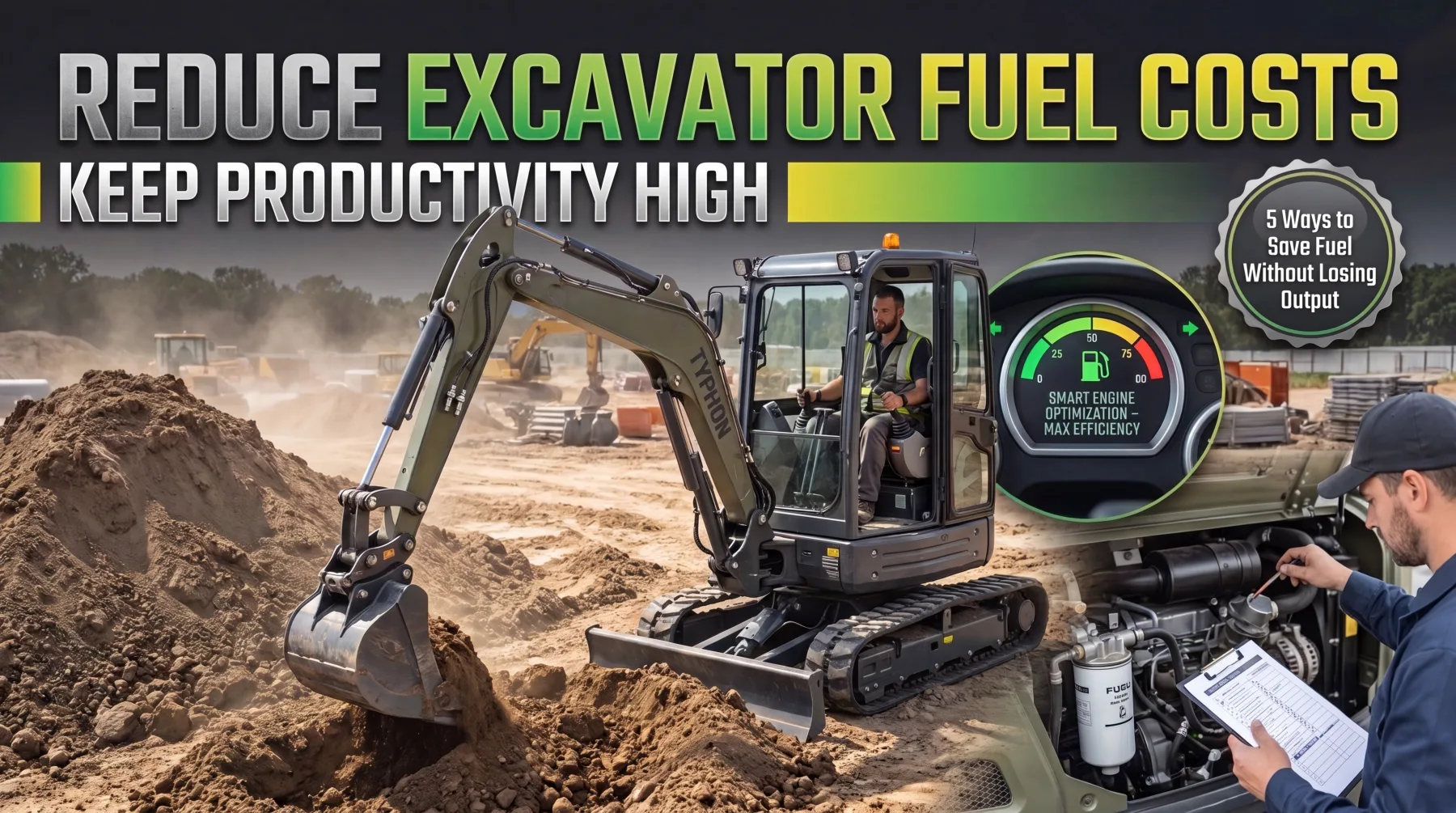
Fuel is one of the largest operating costs on any job site, and an excavator can burn through it quickly when the machine and operator are not working efficiently. The challenge is cutting that consumption without slowing down your progress. Many operators assume the two goals pull against each other, but the truth is that most fuel savings come from working smarter rather than working less. Smooth technique, the right settings, disciplined idling habits, a healthy hydraulic system, and well-matched attachments all lower your fuel bill while keeping production strong. This guide walks you through five practical ways to reduce excavator fuel consumption without sacrificing output. Apply these strategies, and you protect both your budget and your schedule at the same time.
Optimize Excavator Operating Techniques
How the operator runs the machine has more influence on fuel use than almost any other factor. Smooth, deliberate movements consume far less fuel than rushed, jerky operation, because every abrupt stop, sudden swing, and unnecessary control input forces the engine and hydraulics to work harder than the task actually requires. An operator who plans each cycle and moves with intention keeps the machine efficient without giving up any real productivity. In fact, controlled operation often finishes jobs faster because it wastes fewer motions.
Proper control usage is where much of the savings lives. Feathering the controls rather than slamming them lets the hydraulics respond smoothly and use only the power the job demands. Overworking the joysticks, forcing the machine into loads it cannot handle, or repeatedly powering into the same obstacle all pour fuel into effort that produces nothing. Teaching operators to match their inputs to the resistance in front of them keeps energy flowing into useful work instead of strain.
A few consistent habits make a measurable difference across a shift:
Plan your dig and swing so the machine follows the shortest efficient path rather than repeating wasted movements.
Avoid unnecessary idling during short pauses, since an engine running with no load burns fuel for nothing.
Reduce hard stops and abrupt swings that spike hydraulic demand and waste energy.
When operators commit to smooth, thoughtful technique, they lower fuel consumption while keeping the pace of work steady. This is the foundation every other fuel-saving strategy builds on, and it costs nothing to put into practice beyond a bit of training and attention.
Choose the Right Work Mode for the Job
Modern excavators give you control over how much power the machine delivers, and using that control wisely is one of the simplest ways to cut fuel use. Most machines offer selectable work modes that adjust engine speed and hydraulic output to match the demands of the task. Running the excavator in its highest-power setting for light or moderate work wastes fuel on capability you do not need, so matching the mode to the job keeps consumption in line with the actual workload.
Heavy tasks like trenching through hard ground or lifting dense material genuinely call for higher power modes, and using them there is exactly right. But a great deal of excavator work, such as fine grading, light loading, or precise finishing, requires far less output. Dropping into an economy or standard mode for those jobs lets the engine run at lower RPM and the hydraulics deliver gentler flow, which reduces fuel burn without slowing the work. The machine still does everything you ask, just without the extra thirst that full power brings.
The key is treating work mode as an active decision rather than leaving the machine locked in one setting all day. Encourage operators to think about the task in front of them and select the mode that fits, then adjust as conditions change. A shift often moves between demanding and light work, and shifting modes to match keeps efficiency high throughout. This habit protects productivity because you always have the power available when a tough task appears, yet you stop paying for maximum output during the many hours that do not require it. Choosing the right mode for each job is a straightforward, no-cost way to trim fuel consumption while getting the same amount of work done.
Reduce Unnecessary Idling Time
Idling is one of the quietest drains on your fuel budget, precisely because it produces nothing while the meter keeps running. An excavator sitting with its engine on during a delivery wait, a crew break, or a long pause between tasks burns fuel without moving a single bucket of material. Over a full day and across a fleet, those idle minutes add up to a significant and entirely avoidable cost. Cutting unnecessary idling is one of the easiest wins available, and it requires no change to how the actual work gets done.
The habit that saves the most fuel is simply shutting the engine off during extended waits. Operators often leave the machine running out of convenience or routine, but any pause that stretches beyond a few minutes is usually better spent with the engine off. When a truck is late, a section of the site is being prepped by others, or the crew stops for a break, turning the key protects fuel and reduces wear on the engine at the same time. Restarting takes only a moment and costs far less than the fuel wasted by prolonged idling.
None of this affects productivity, which is what makes it such a valuable practice. The machine is not working during those idle periods anyway, so switching it off costs you nothing in output while directly lowering your operating expenses. Building this into a job site expectation helps make it stick. Set a clear guideline for how long a pause should be before operators shut down, remind the crew regularly, and lead by example. Some machines also offer automatic idle shutdown features that handle this for you, and enabling them removes the decision entirely. Managing idle time is a small discipline with a steady, lasting payoff.
Keep the Hydraulic System in Good Condition
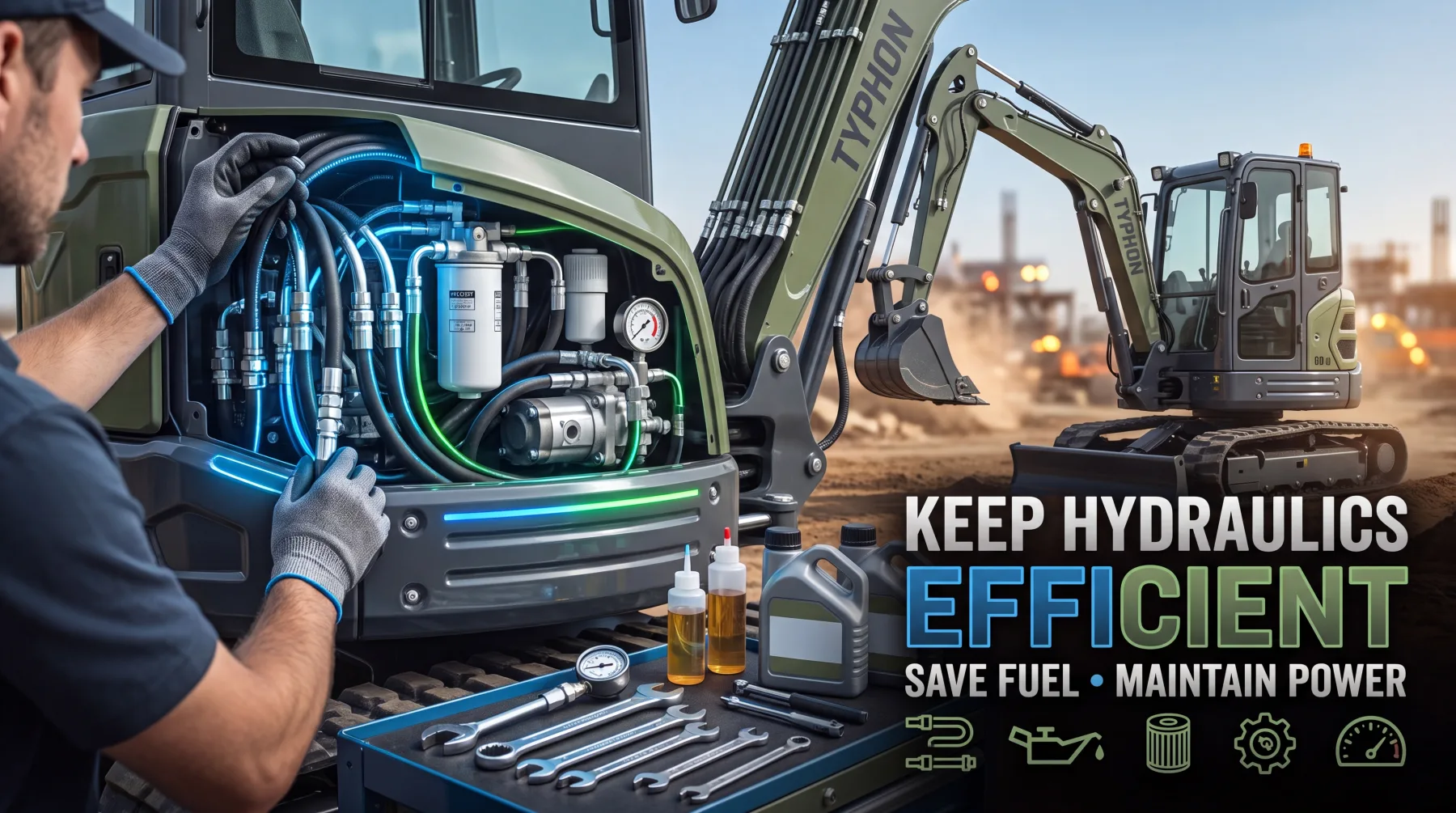
The hydraulic system is the heart of an excavator, and its condition has a direct effect on how much fuel the machine needs to do its work. When the hydraulics run efficiently, power transfers cleanly from the engine to the digging and lifting functions, so the machine accomplishes each task with minimal waste. When the system is neglected, that power transfer breaks down, forcing the engine to burn more fuel to overcome friction, leaks, and restrictions that should not be there. Regular hydraulic maintenance is one of the most reliable ways to keep fuel consumption low over the life of the machine.
Fluids and filters are the starting point for a healthy system. Low or degraded hydraulic fluid thickens, contaminates, and loses its ability to transmit power smoothly, which makes the machine work harder for the same result. Clogged filters restrict flow and place added strain on the pump, driving up fuel use in the process. Keeping the fluid at the proper level, replacing it on schedule, and changing filters at the recommended intervals all keep power moving efficiently through the system. Watch closely for leaks as well, since even small leaks rob the system of pressure and waste both fluid and fuel.
Beyond fluids and filters, the components themselves need attention to stay efficient. Worn seals, damaged hoses, and a pump running below its rated performance all sap power and increase consumption. A hydraulic system that struggles to build pressure forces the engine to compensate, and that compensation shows up directly at the fuel tank. By inspecting these components regularly and addressing wear before it worsens, you keep the machine responsive and efficient. A well-maintained hydraulic system lets the excavator do full-strength work with less fuel, protecting both your productivity and your operating costs at once.
Use the Correct Attachment for Each Task
The attachment on the end of the arm determines how efficiently the excavator completes each job, and using the wrong one quietly wastes fuel on every cycle. When an attachment is matched properly to the task and the material, the machine digs, breaks, or grabs cleanly and finishes the work in fewer passes. When it is mismatched, the excavator strains against the job, repeats passes it should not need, and burns extra fuel fighting inefficiency. Choosing the right tool for each task is a simple decision that pays off in both speed and lower consumption.
Bucket selection is the clearest example of how attachment choice affects fuel use. A bucket sized and shaped for the material moves the right amount cleanly, while an oversized bucket overloads the machine and a poorly suited one struggles to fill or release. Matching the attachment to the specific job keeps the machine working within its comfortable range:
Digging buckets sized to the material and trench width for clean, efficient excavation
Rock or heavy-duty buckets for abrasive, dense material that would wear out or overload a standard bucket
Breakers, grapples, or augers for specialized tasks that a bucket cannot perform efficiently
Using the correct attachment reduces the strain placed on the engine and hydraulics, which translates directly into lower fuel use and less wear on the machine. Just as important, the right tool completes the work faster, so you finish jobs in less time and with fewer cycles. That combination of speed and efficiency is exactly what lets you cut fuel consumption without sacrificing productivity. Keep a well-matched set of attachments on hand, train operators to swap them out when the task changes, and the excavator will work harder for you while asking less of the fuel tank.
Conclusion
Reducing excavator fuel consumption does not mean slowing down or cutting corners on the work. It means running the machine with intention at every stage. Smooth, controlled operating technique keeps energy flowing into useful work, and selecting the right work mode ensures you only pay for the power each task actually needs. Shutting the engine off during extended waits eliminates fuel wasted on idling, while a well-maintained hydraulic system keeps power transferring cleanly and efficiently. Matching the correct attachment to each job lets the machine finish faster with less strain. Each of these practices reinforces the others, and together they lower your fuel costs while keeping production strong. Put them to work on your next job, and you will get the same results from your excavator while spending noticeably less at the pump.
Need help turning this research into a real quote request?
Send the machine category, intended use, or product name to the KUVUO team and we can help you take the next step.
Contact KUVUO